Surgery
Suspicious Mole Removal
Surgical removal of moles and skin lesions by a specialist surgeon, with laboratory analysis of every lesion we remove.
Is this the right appointment for you?
You do not need a GP referral to book with us.
Already been examined and advised to have it removed? Start a surgical enquiry and send us the letter, photograph or report. We assess it and book your procedure.
Would like a mole examined? Book a Single Mole Check — a focused assessment by a Skin Cancer Screening Nurse.
Unsure what you need? Book a consultation. It is a longer appointment with a surgeon, covers more than one concern, and you leave with a treatment plan.
A consultation is £200. Where you go on to book a procedure, the consultation on the day is part of the procedure fee and is not charged on top. See all fees
We treat adults only. We do not carry out procedures on anyone under the age of eighteen.
Background
What is a suspicious mole?
A suspicious mole is a mole that has changed in appearance or behaves differently from your other moles.
Many changing moles are harmless. But a change in size, shape, colour or texture can sometimes be an early sign of melanoma or another form of skin cancer, and the only reliable way to tell is to examine the mole and analyse it in a laboratory.
Warning signs
What signs should you look for?
The ABCDE guide is a useful starting point — asymmetry, an irregular border, uneven colour, a diameter over 6mm, or a mole that is evolving. The most important of the five is change.
Read the full ABCDE guide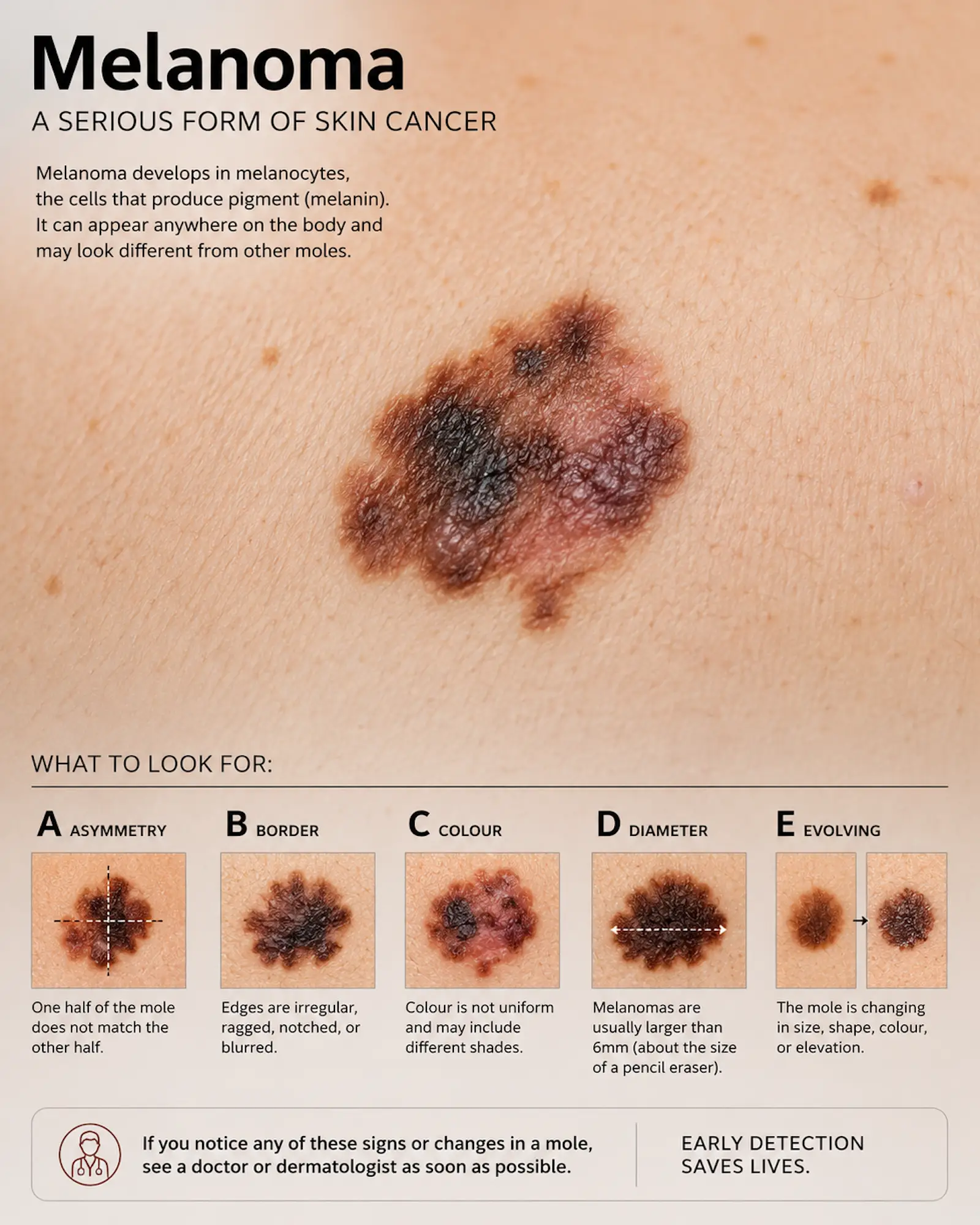
Did you know?
19,400
people are diagnosed with melanoma in the UK each year. It is highly treatable when found early.
Source: Cancer Research UK, Melanoma skin cancer statistics. Accessed August 2026.Risk
Who is more at risk?
Risk is higher for people with fair skin or a history of sunburn, those with many or unusual-looking moles, anyone who has had a skin cancer before, those with a close family history of melanoma, and people whose immune system is suppressed.
Read more about riskStep by step
What happens at your appointment?
Consultation and surgery take place in the same visit.
Consultation
We review your referral or previous examination, look at the lesion, and discuss what removal would involve — including the type of closure your lesion is likely to need.
Consent
We explain the procedure and answer your questions. Removal goes ahead on the day provided you are happy to proceed and there is no medical reason to delay.
Surgery
The lesion is removed under local anaesthetic.
Histology
Everything we remove is sent to the laboratory for analysis.
Dressing clinic
You return a week after surgery to have the wound checked and the dressing changed. This is included in the cost of your procedure.
Results
Your histology result is usually available within one week.
Up to two lesions can be removed in a single appointment. Each lesion is charged separately.
Timing
How long does the appointment take?
Appointment length depends on how many lesions are being removed and the type of closure required. As a guide, we allow one hour for a single lesion needing reconstruction with a flap or graft — fifteen minutes of consultation and forty-five minutes of surgery.
The procedure
How is the lesion removed?
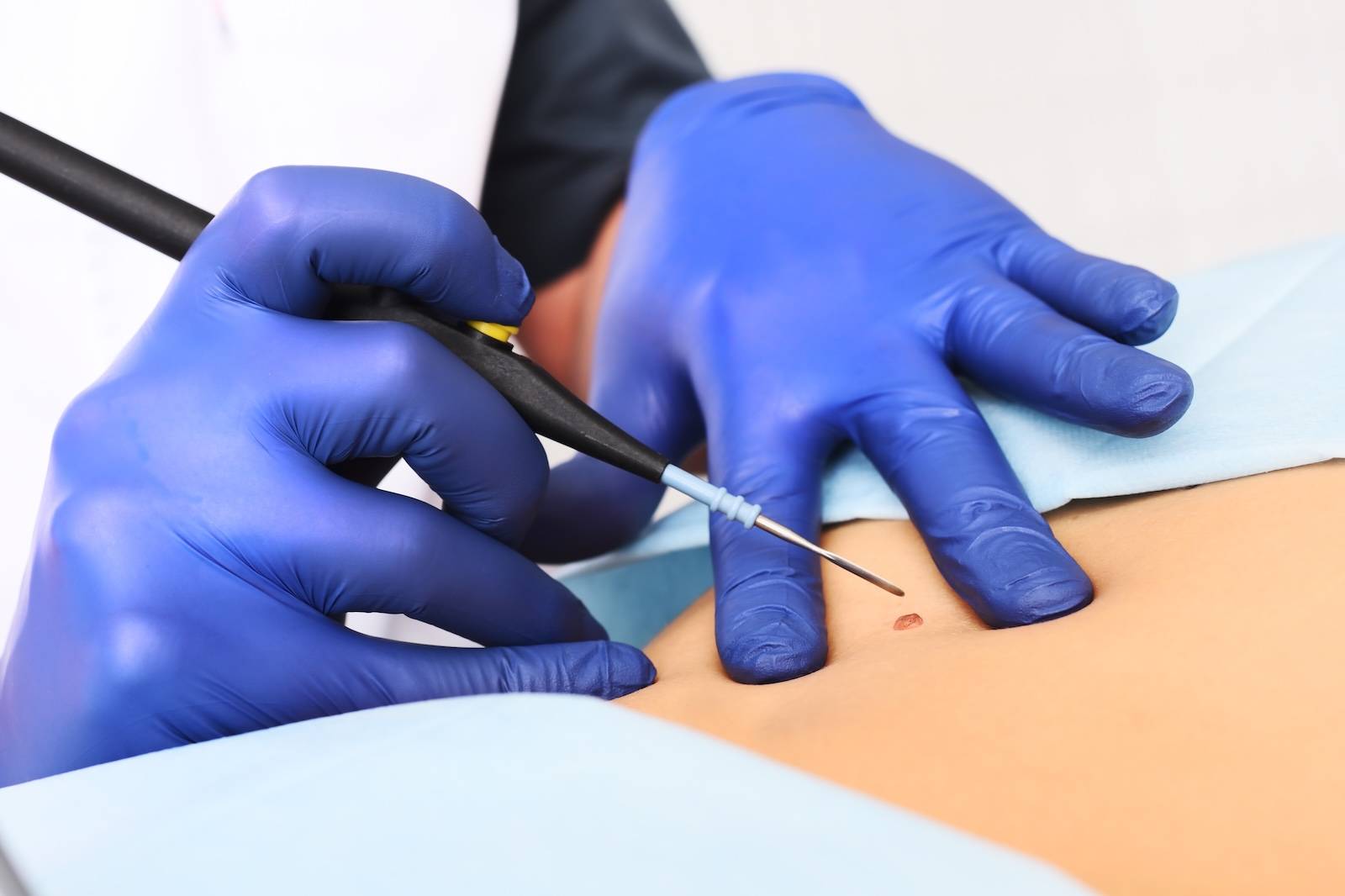
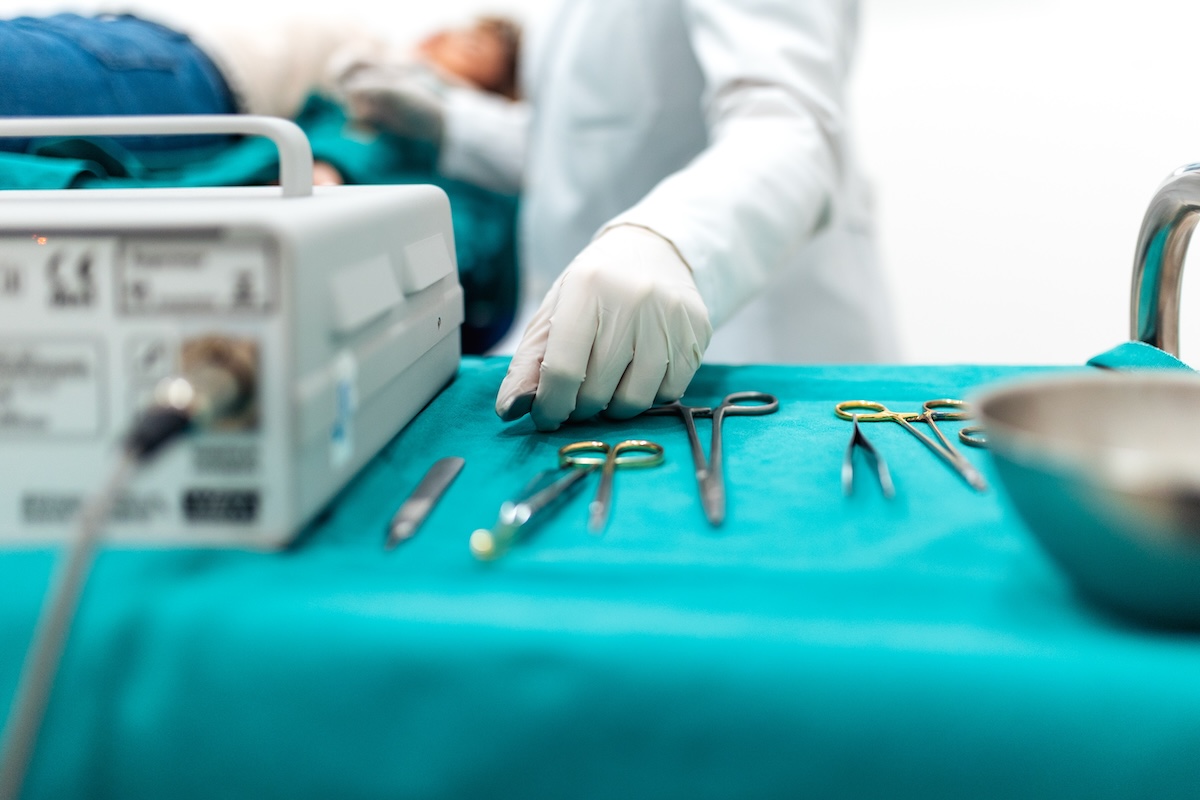
Removal is carried out under local anaesthetic. The area is numbed, the lesion is excised, and the wound is closed. You are awake throughout and go home the same day.
Where a lesion is suspected of being cancerous, it is removed by excision rather than shaved or frozen, so that the full depth of the lesion can be examined by the laboratory.
Fees
How much does removal cost?
Removal is charged on the same surgical fee schedule whether the lesion is benign or suspicious. The fee depends on the size and site of the lesion and the type of closure required.
| Procedure | What it involves | Fee |
|---|---|---|
| Direct closure, under 2cm — limbs or torso | Lesion removed and the wound closed directly with sutures. | £550 |
| Direct closure, over 2cm — limbs or torso | For larger lesions, excision followed by direct closure. | £750 |
| Head and neck direct closure | Removal and direct closure on the face, scalp or neck. | £750 |
| Reconstruction with flap or graft | Repair using nearby skin or a skin graft where more tissue is removed. | £1,620 |
| Histopathology — per lesion analysed | Laboratory testing of a removed lesion, with a formal report. | £175 |
| Consultation | A standalone appointment for advice. Where you book a removal, your consultation is part of the removal price and is not charged on top. | £200 |

Next step
Ready to go ahead?
If your mole has already been examined and you have been advised to have it removed, send us the referral letter, photograph or histology report. A surgeon reviews it and we book your procedure — there is no need for a separate consultation first. If you are not sure which appointment you need, speak to us.
Questions
Frequently asked questions
Do I need a GP referral?
No. If you would like a mole examined, book a Single Mole Check — a focused assessment by a Skin Cancer Screening Nurse. If you are unsure what you need, book a consultation instead. It is a longer appointment with a surgeon, covers more than one concern, and you leave with a treatment plan.
Will the mole be removed at the same appointment?
Yes. Consultation and surgery take place in the same visit, provided you are happy to go ahead and there is no medical reason to delay.
Is there anything that would stop you operating on the day?
Occasionally, yes. Blood-thinning medication, an infection at or near the site, or certain medical conditions can mean it is safer to reschedule. If any of these apply to you, please tell us when you book. It is far better to know beforehand than to find out on the day.
How long will the appointment take?
It depends on how many lesions are being removed and the type of closure needed. As a guide, we allow one hour for a single lesion requiring a flap or graft.
How many moles can be removed at once?
Up to two in a single appointment. Each lesion is charged separately.
Does it hurt?
The area is numbed with local anaesthetic first. You will feel the injection and some pressure during the procedure, but not pain.
How long do results take?
Usually within one week. Your consultant will call you to explain it, and your result is also available in the Patient Portal.
What aftercare will you need?
You will return to a dressing clinic a week after surgery, so the wound can be checked and the dressing changed. This is included in the cost of your procedure. Full aftercare guidance — wound care, activity, bleeding and when to contact us — is on our Aftercare and Recovery page.
What happens if the lesion turns out to be cancerous?
Most skin cancers are highly treatable when found early. Basal cell carcinoma and squamous cell carcinoma are treated here, by the same surgical team. If your result shows a melanoma, we will refer you into an NHS skin cancer service and support you through the handover.