Patient information
Skin cancer: signs, types and when to get checked
Skin cancer is one of the most common forms of cancer in the UK. It can develop in previously normal skin or within an existing mole, and may appear as a new mark, a changing mole, a persistent sore or an area of skin that looks different from the surrounding skin.
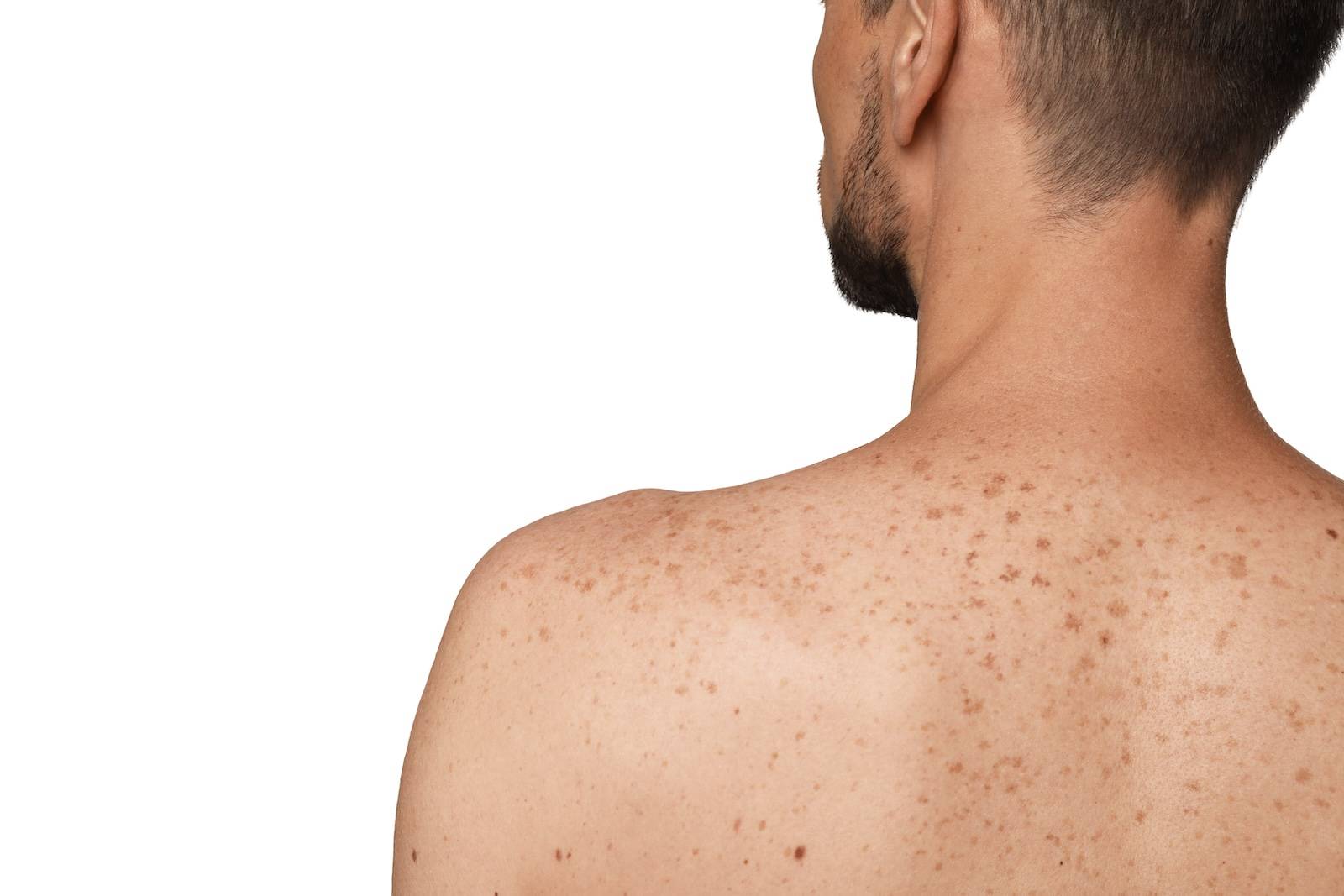
There are several types of skin cancer. The two broad categories are melanoma and non-melanoma skin cancer, which includes basal cell carcinoma (BCC) and squamous cell carcinoma (SCC).
Early assessment of a suspicious skin change is important. If you notice something new, changing or unusual, a specialist examination can help determine whether further investigation is required.
The three main types
The main types of skin cancer
Melanoma
Melanoma develops from melanocytes, the cells responsible for producing pigment in the skin. It can develop within an existing mole or appear as a new pigmented area.
Melanomas can vary considerably in appearance. Changes in size, shape or colour, or a lesion that looks noticeably different from your other moles, can be important signs to have assessed.
Basal cell carcinoma
The most common type of non-melanoma skin cancer. It often develops on areas of skin that receive significant sun exposure, such as the face, head and neck.
A BCC may appear as a persistent or slowly growing area of skin, a shiny or pearly lump, or a sore that does not heal normally. It can sometimes bleed or crust.
Squamous cell carcinoma
Develops from cells in the outer layers of the skin. It commonly occurs on sun-exposed areas and may appear as a scaly or crusted area, a raised lump or a persistent sore.
Some SCCs can grow more quickly than other types of skin cancer and should be assessed by a specialist.
19,400
people are diagnosed with melanoma in the UK each year, making it the fifth most common cancer in the UK.
Source: Cancer Research UK, Melanoma skin cancer statistics. Accessed August 2026.Warning signs
What should you look for?
Knowing what is normal for your skin can make it easier to notice changes. You should arrange an assessment if you notice:
- A new mole or skin lesion
- A mole that is changing in size, shape or colour
- A mole that looks noticeably different from your other moles
- A lesion that bleeds, crusts or does not heal
- A persistent scaly, rough or raised area of skin
- A new lump or mark that continues to change
- A change that concerns you, even if it does not fit a particular checklist
Not all skin cancers look the same. The absence of one or more warning signs does not necessarily mean that a lesion is harmless.
A guide
The ABCDE guide
The ABCDE guide can be useful when looking at a mole, particularly when considering the signs associated with melanoma.
- AAsymmetry
- One half of the mole does not look like the other.
- BBorder
- The edge may be irregular, uneven, blurred or poorly defined.
- CColour
- There may be variation in colour, including different shades of brown, black or other colours.
- DDiameter
- A melanoma may be larger than 6mm, although melanomas can be smaller.
- EEvolving
- The mole is changing in size, shape or colour, or developing new symptoms.
The most important feature is often change over time. If you notice a mole or skin lesion that is changing or looks different from your other moles, it is sensible to have it assessed.
See the ABCDE guide on InstagramRisk
Who is at greater risk of skin cancer?
Anyone can develop skin cancer, but certain factors can increase the risk. These include:
Sun exposure
Ultraviolet (UV) radiation from sunlight and sunbeds is an important risk factor. Repeated exposure and episodes of sunburn can contribute to cumulative skin damage.
A large number of moles
People with many moles, particularly atypical or unusual-looking moles, may have a higher risk of melanoma.
Previous skin cancer
Having had skin cancer previously can increase the likelihood of developing another.
Family history
A close family history of melanoma can be associated with an increased risk.
Weakened immune system
Some conditions and medicines that weaken the immune system can increase the risk of certain skin cancers.
Your individual risk depends on a combination of factors, including your age, skin type, genetics, previous sun exposure and medical history.
Prevention
Protecting your skin
Reducing exposure to ultraviolet radiation is one of the most important ways to reduce your risk of skin cancer. Consider:
Sun protection is important throughout the year, not only during hot or sunny weather.
Diagnosis
How is skin cancer diagnosed?
A specialist assessment begins with a detailed examination of the area of concern and the surrounding skin. Where appropriate, dermoscopy may be used to assess whether a mole or lesion has features that require further investigation.
If a lesion remains suspicious, a biopsy or surgical removal may be recommended. Tissue removed during a procedure is sent for histopathological examination, allowing the cells to be examined under a microscope and a diagnosis to be confirmed.
At The Skin Cancer Institute, our service is focused on the specialist assessment, diagnosis and treatment of suspicious skin lesions and skin cancer.

Booking
Have something checked
If you have noticed a change, book a Single Mole Check and a clinician will examine it and advise you. If you would rather ask a question first, get in touch.